
Mriga Narrative Cartography
About the
Method
A cosmological approach to story, memory, and meaning

What “Mriga” Means
Mriga (मृग) literally means deer in Sanskrit — but like many words in South Asian cosmology, it carries a layered symbolic life:
The seeker, always moving, always sensing
The one who follows faint trails others overlook
A body that navigates instinct, subtlety, and listening
A presence that pauses, perceives, and understands direction by feel rather than force
In the lunar zodiac, Mriga refers to Mrigaśīrṣa, a nakshatra associated with:
Curiosity
Restlessness toward truth
Tracking patterns through ambiguity
Searching for deeper coherence
The merging of inner sensation with external perception
The desire to understand what lies beneath appearances
Although I don’t practice Hinduism, this symbol felt uncannily aligned with how my cognition works:
I track meaning the way a deer follows a scent — through intuition, structure, spatial resonance, and emotional pattern recognition.
My Lineage, Positionality, and Ethics
I am a diasporic biracial Bengali with Dalit ancestry living in the US.
This matters here, because it shapes:
my relationship to Hindu cosmology
my caution around caste origins
my skepticism of Brahmanical authority
my care around cultural ethics and representation
I do not claim Hindu religious identity — but I do claim:
ancestral relationship
cultural inheritance
linguistic and imagistic familiarity
syncretic South Asian lineage
a commitment to anti-caste ethics
When I use Mriga as a metaphor, I am not drawing from Brahmanical astrology or religious practice.
I am drawing from:
older, pre-Brahmanical cosmologies
folk astronomy
oral-story variants
Bengal’s local cosmological imagination
cross-caste, rural, non-elite mythic traditions
the cosmology that lived in households, not priesthoods
Nakshatras have countless localized histories, many of which existed outside caste authority — in folklore, farming calendars, women’s rituals, river-based timekeeping, and village storytelling traditions. Those lineages are part of the South Asian imagination in ways that are not owned by any one caste or institution.
I position my method firmly with:
anti-caste values
creative, not religious, usage
metaphor, not doctrine
lineage with accountability, not appropriation

Why I Built This Method
My mind doesn’t read stories linearly.
It reads:
through constellations
through patterns that sit beneath the text
through emotional logic maps
through multiple layers of meaning at once
through spatial arrangements, metaphors, resonances, echoes
through negative space and what isn’t said
through temporality, history, and the story’s internal physics
Mriga Narrative Cartography emerged from a simple truth:
When I read someone’s work, I can see the architecture of the story as if it’s a night sky full of connections, gravitational pulls, tensions, absences, and orbits.
This method gives form to that inner process.
Why “Cartography”?
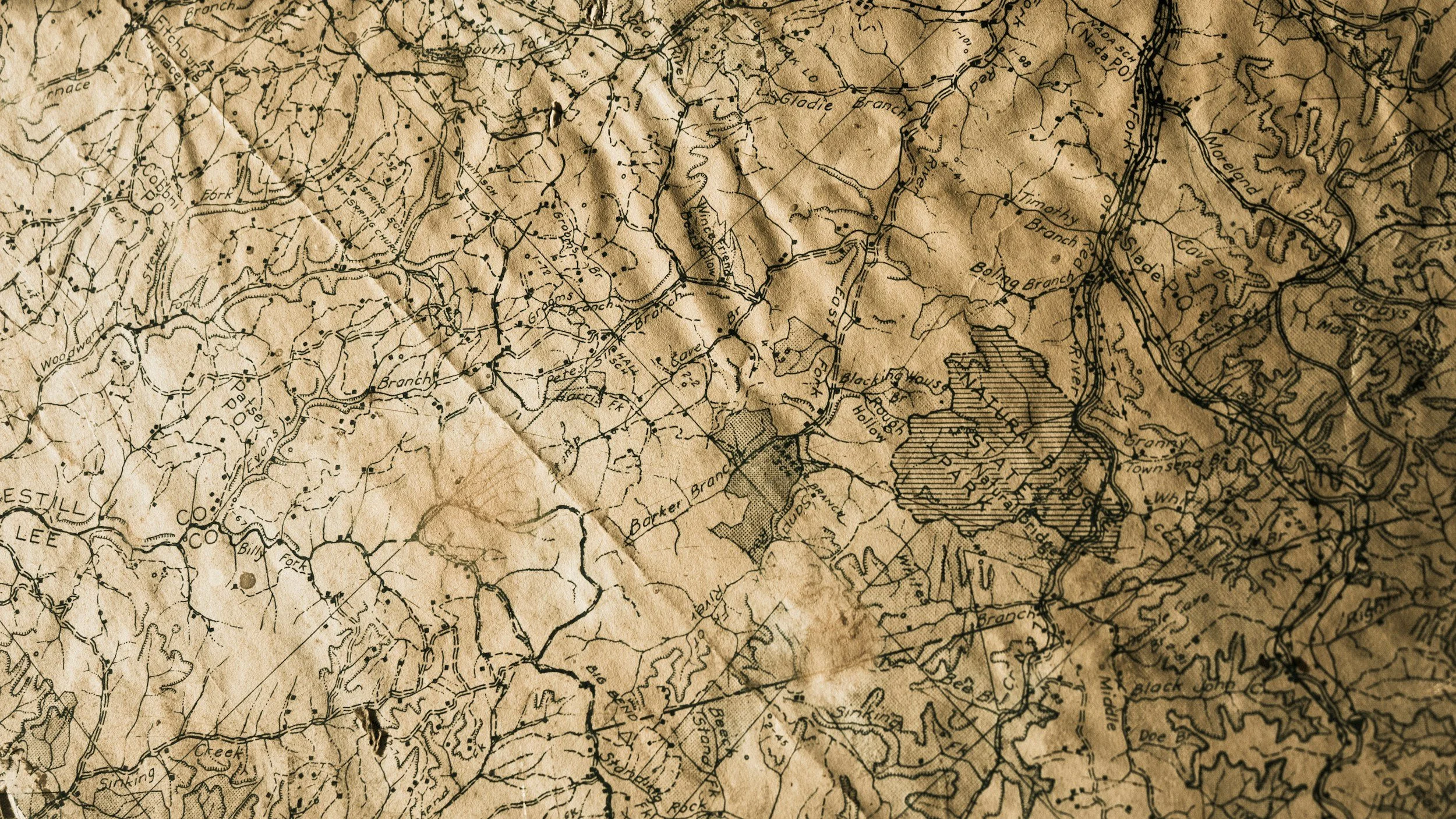
Because this is not just an edit — it’s a map.
Specifically:
a map of the emotional topography
a map of narrative gravitational centers
a map of symbolic currents
a map of the story’s internal physics
a map of characters’ orbital paths
a map of themes, tensions, and temporal echoes
a map of hidden structures the author may feel but not yet articulate
“Cartography” grounds the cosmic metaphor.
It makes your story navigable.
This is narrative geography, not critique.
The goal is not judgment — it’s clarity.
What
the Method
Actually Does
Using your manuscript, I assemble:
Constellations
Clusters of meaning points — images, motifs, tensions, emotional anchors.
Orbits
How different characters, scenes, or ideas revolve around a central gravitational force.
Trails (the “Mriga” element)
The through-lines, questions, obsessions, and internal movements your story is trying to follow.
Negative Space
What’s missing, avoided, or implied but not yet articulated.
Temporal Layers
Past echoes, future implications, mythic time, historical time, and inner time.
Emotional Physics
How feelings move, collide, expand, stagnate, or burn through the narrative.
Why I Chose a Hybrid Cosmology of Stars + Mapping + South Asian Symbolism
Because your story is:
a world
a landscape
a mythic field
a system of gravitational meanings
a lived internal cosmos
And because my cognitive process naturally integrates:
imagery
spatial reasoning
phenomenology
emotion
pattern recognition
nested symbolic layers
cultural cosmology
historical sensemaking
The method had to reflect all of this — not just editorial technique.
Mriga gives the method a name that matches its movement:
following subtle paths through a textual forest until the deeper structure emerges.






Why this Matters for Your Writing
Most editorial approaches focus on:
fixing scenes
correcting plot issues
tightening prose
This method focuses on:
your story’s meaning
its emotional architecture
its symbolic structure
its internal coherence
its lived emotional reality
the deeper world your story is trying to build
It is ideal for:
literary fiction
speculative fiction
hybrid genre worlds
complex character-driven stories
mythic work
worldbuilding
emotionally intricate narratives
manuscripts that “feel bigger” than the writer can yet articulate
What You Receive
Depending on the package:
a constellation map
narrative cartography
a resonance analysis
the deep meaning architecture of your story
synthesis of themes, images, metaphors, contradictions
notes on emotional gravity + narrative physics
precise next steps for strengthening the work
a conversation where we explore what you’re actually building
This is not prescriptive editing.
This is not a craft lesson.
This is a collaborative process of discovery.


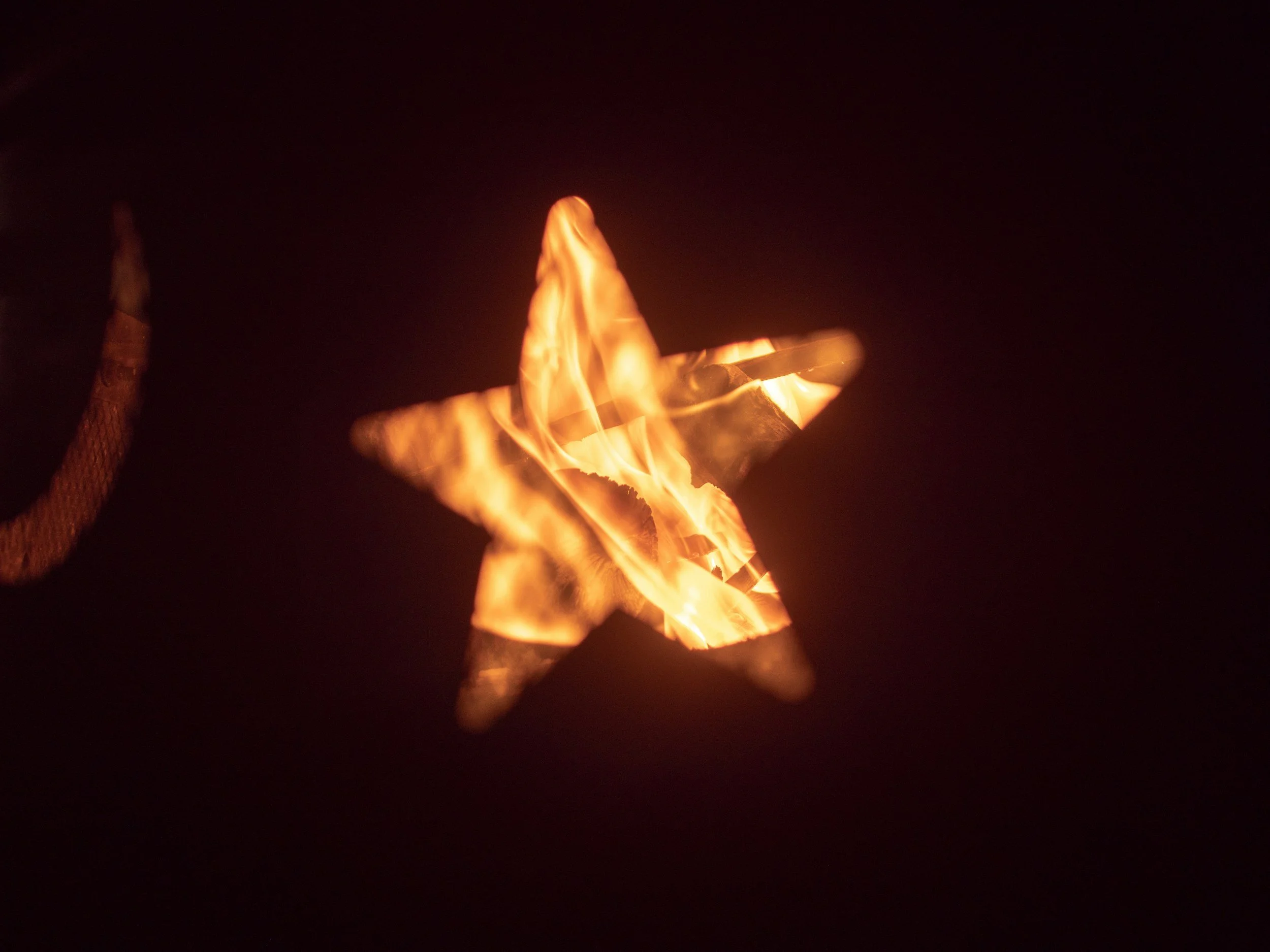
The Liberatory Philosophy Behind Mriga Narrative Cartography
Why de-centering Western constellations expands narrative possibility
Most people raised in English-speaking environments inherit a worldview shaped by Greek constellations—Orion, Cassiopeia, Andromeda. These aren’t just star names; they subtly structure how we imagine stories, myth, power, and even who gets to be heroic.
But the sky has always held more than one map.
And choosing a different map is an act of liberation.
Why Mriga instead of Orion?
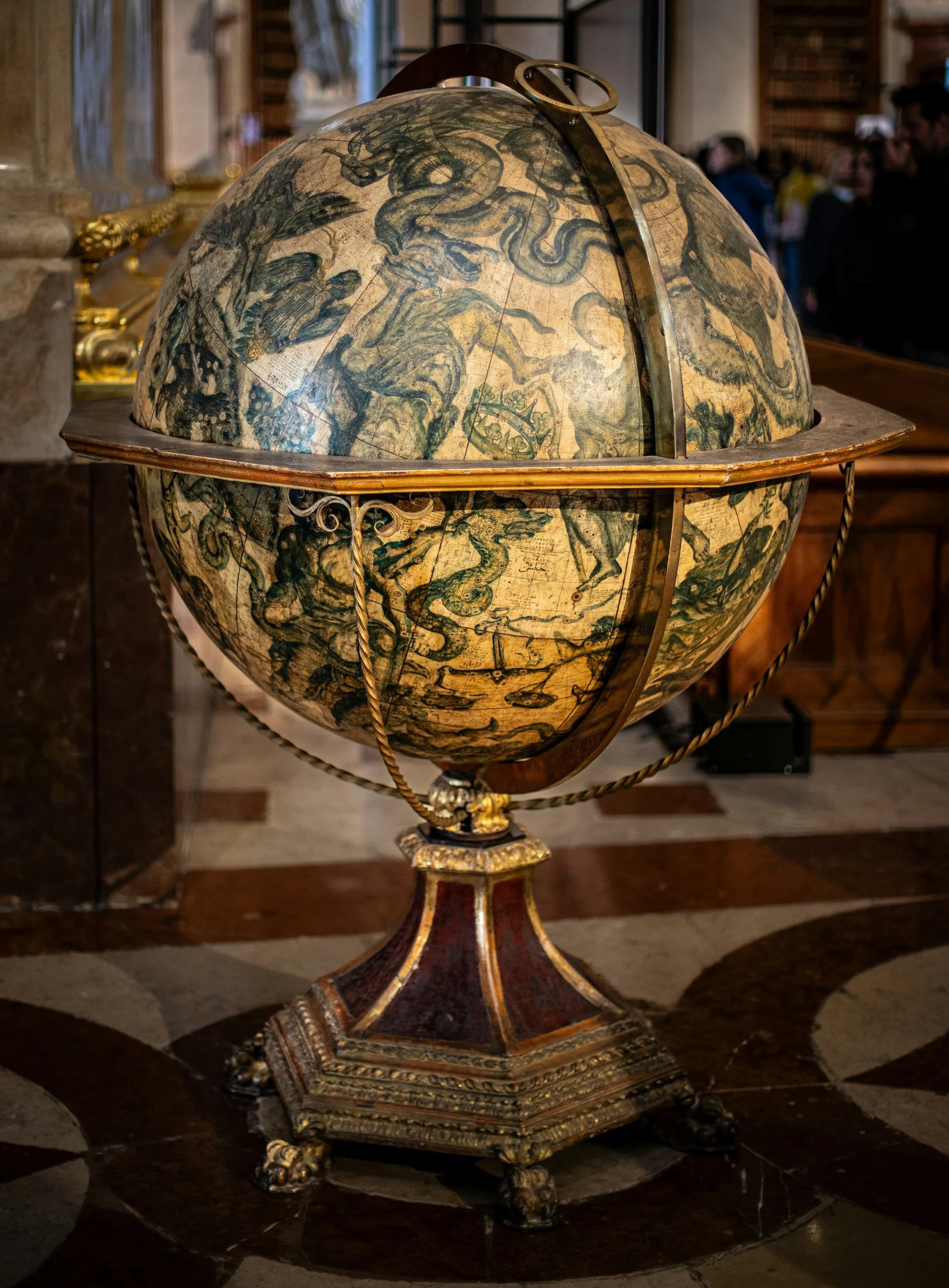
The cluster of stars that Western astronomy calls Orion’s Belt is part of a much older South Asian constellation known as Mriga—“the deer.”
Where Orion is a hunter, a conqueror, and a masculine archetype rooted in imperial heroism, Mriga is a symbol of:
perception
intuition
elusiveness
the deep interior of desire and direction
Choosing Mriga is not about rejecting Western knowledge.
It’s about choosing a story that isn’t built on domination.
Orion frames the sky as something to chase and conquer.
Mriga frames it as something to understand, follow, and listen to.
For writers, this shift is profound:
Your story is no longer a target. It is a creature whose path can be tracked, traced, and honored.
Why this matters for narrative work
Decentering Western cosmology doesn’t mean “discarding” Western stories. It means:
acknowledging multiple narrative lineages,
recognizing that the sky has always held plural meanings, and
giving yourself permission to write from more fluid, intuitive, relational frameworks.
Writers who feel constrained by traditional “plot structure” often find that Mriga Narrative Cartography opens a doorway they didn’t realize they were allowed to walk through.
Mriga invites you to say:
My story is not a problem to solve, not a hero’s journey to conquer, but a constellation of meaning I can chart on my own terms.
This shift naturally supports writers who are queer, diaspora, neurodivergent, global majority, or simply tired of narrative forms that assume a single kind of hero, a single arc, or a single pace.
The anticolonial dimension
Western cosmology became “standard” through colonial education systems, which replaced or suppressed Indigenous, African, Middle Eastern, and Asian star systems.
Choosing to work with Mriga—without exoticizing it or treating it as decorative—is a way of:
reclaiming plurality over singularity
reconnecting with suppressed knowledge systems
honoring diasporic lineages
resisting the idea that creativity must follow European forms to be legitimate
This isn’t about purity or gatekeeping.
It’s about imagination as liberation.
When you choose Mriga over Orion, you choose a worldview where:
meaning is relational, not hierarchical
stories are ecosystems, not machines
authorship is exploration, not conquest
perspective is not inherited, but crafted
You do not need South Asian ancestry to work with Mriga
This method is not religious, doctrinal, or restricted.
It is a framework of image, metaphor, and narrative logic drawn from a constellation system that existed long before colonial borders or contemporary religious politics.
What matters is respect, not ethnicity.
Writers of any background can use Mriga Narrative Cartography because:
it treats story as a living field
it opens imaginative pathways Western forms often close
it allows multiple cosmologies to coexist without hierarchy
it is rooted in creative freedom, not cultural ownership
For those with South Asian or diasporic roots
For some writers, Mriga connects to ancestry; for others, it is a way of gently reclaiming lineages interrupted by diaspora, caste politics, or language loss. The method honors this without demanding religious identification or political alignment with any tradition.
It’s an invitation, not an obligation.
Ultimately,
Mriga Narrative Cartography is built on the belief that storycraft expands when cosmology expands.
By choosing a star system not shaped by conquest narratives, writers gain access to:
deeper interiority
nonlinear structure
multidimensional symbolism
emotional truth that doesn’t have to obey Western linearity
This is not just a technique.
It is a practice of creative sovereignty.
How It Developed
How It Developed
Mriga Narrative Cartography took shape at the intersection of my creative work, cultural lineage, archival experience, and interdisciplinary humanities training.
I’ve always seen stories as multi-layered constellations—emotional, symbolic, ancestral, structural—and I wanted a method that honored that complexity while freeing writers from rigid Western narrative models. Over years of reading, researching, and working across speculative fiction, archives, and cosmology, my intuitive pattern-sensing cohered into a formalized process. Mriga is the result: a narrative cartography method that blends craft analysis with metaphor, cultural plurality, and an expansive, anti-colonial vision of storytelling.

Mriga Narrative Cartography belongs to cosmology.
It is a creative, interpretive, anti-caste, anti-oppressive, decolonial, metaphor-driven system rooted in my personal and ancestral relationship to cosmology — not religious belief.
Why This Method Is Culturally Grounded but Not Religious
This distinction matters.
Cosmology is:
metaphor
myth
pattern
timekeeping
storytelling
communal imagination
meaning-making
Religion is (or can be):
doctrine
authority
ritual
theology

Why This Matters to Me
Because stories deserve maps.
Because complex writers need editors who can see the invisible.
Because my cognitive pattern recognition is uniquely suited to this kind of work.
Because storytelling is cosmology.
Because every narrative contains a universe inside it.
And because helping authors see that universe more clearly is the form of care I’m best built to offer.